

The Land of Flowing Water
This edition is open and available to all. Support my work and upgrade to paid here for as little as $5 a month.
LISTENING: to the drum of the fan
FEELING: very tired
SEEING: the inside of my eye lids as I doze off
There's one science lesson I learned in middle school I often think about. A teacher told us that water is a renewable resource. I walked away from that thinking at the time, "Oh, that means we will never run out of water." Boy, did my school get that wrong. In January, the United Nations reported that the world faces "global water bankruptcy." The greed of corporations and the privileged is leading to an irreversible shift in water access.
Now, when I think about that middle school definition, I scoff. For one, "renewable" means what exactly? The rains fall, water evaporates, and the cycle starts back up? Well, what happens when an outsider comes in and takes your water? When no amount of sky gifts can replenish the liquid bodies your people once gathered upon? Water is not renewable when it is stolen. And certainly not in a time of climate crisis.
And "resource"? I'm still learning that we cannot think of water as a resource, defined as a source of supply or wealth. No, water is our relative. It is a life source. It is what flows through us and out of us. Water is where life begins — in the womb and under our feet. Water is life. Literally.
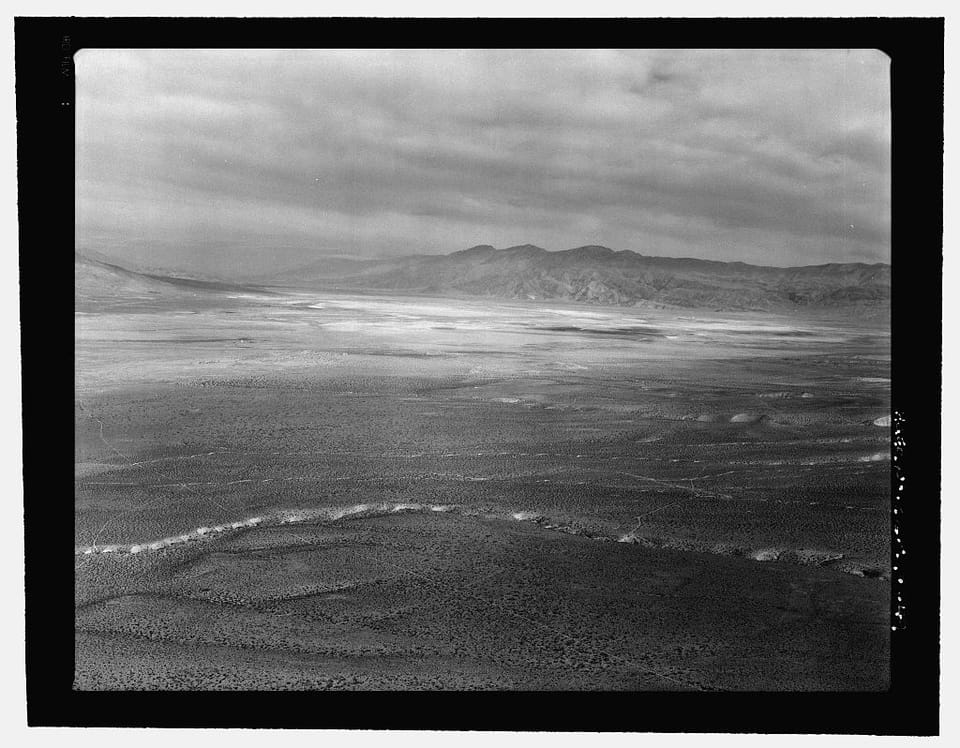
I'm sharing all this because I'm in Payahuunadü, the original name for California's Owens Valley. The name translates to "the land of flowing water." You wouldn't think that being here, though. There's hardly any water moving across these lands. Patsiata, the original name for Owens Lake, sits drained and dry. Los Angeles has all the water. I'm exploring these histories of theft and trauma as part of Walking Water, an event that invites people in to pray and heal with our water relatives.
There's an ongoing regional battle between the city and local tribes. Los Angeles pumps water hundreds of miles away for its population. Meanwhile, the families who live on the land meant to hold that water are struggling to access the water they need. They want it back. They need water. The water needs them, too.
I got to my hotel room and tried to understand my own water system back home in New York. Well, our aqueduct system was built around the same time as Los Angeles's. The water I drink back home came at a cost to communities that were flooded out and evacuated to build the infrastructure that supports New York's drinking water. How do we make that up to their descendants?
We should all think more deeply about how we have what we have — and who had to face sacrifice for our comforts. I'm trying to reflect more deeply on these points lately.
Tomorrow, I'll walk again. I'll keep listening. I'll keep reflecting. There won't be a story or interview that comes out of this trip. This one is about building trust. About bearing witness. About deepening my understanding. About unlearning.
More journalists and storytellers need to make room for this part of the work. 🌀
The newsletter usually ends here for free subscribers. Why not upgrade?
Rest in Power
While we can't say for certain that climate change led to these specific weather events (we need attribution studies for that), we do know that the Earth's rising temperatures are already creating more frequent and/or stronger disasters like these.
I'm not finding anything this week. I'm appreciating the peace.
Currently Reading
From Leslie Davenport in Grist: "Guilt can keep us preoccupied with ourselves rather than on the larger structures driving the harm. / Continue to balance your personal choices with collective ones."
I love good wildlife news. Mongabay's Liz Kimbrough writes about the California condor's homecoming in the Pacific Northwest.
Inae Oh at Mother Jones reminds us how wrong ICE's actions are.
Always! Read! Sabrina! Imbler! And go watch "Hoppers" if you haven't yet. Then, read Sabrina's review for Defector.
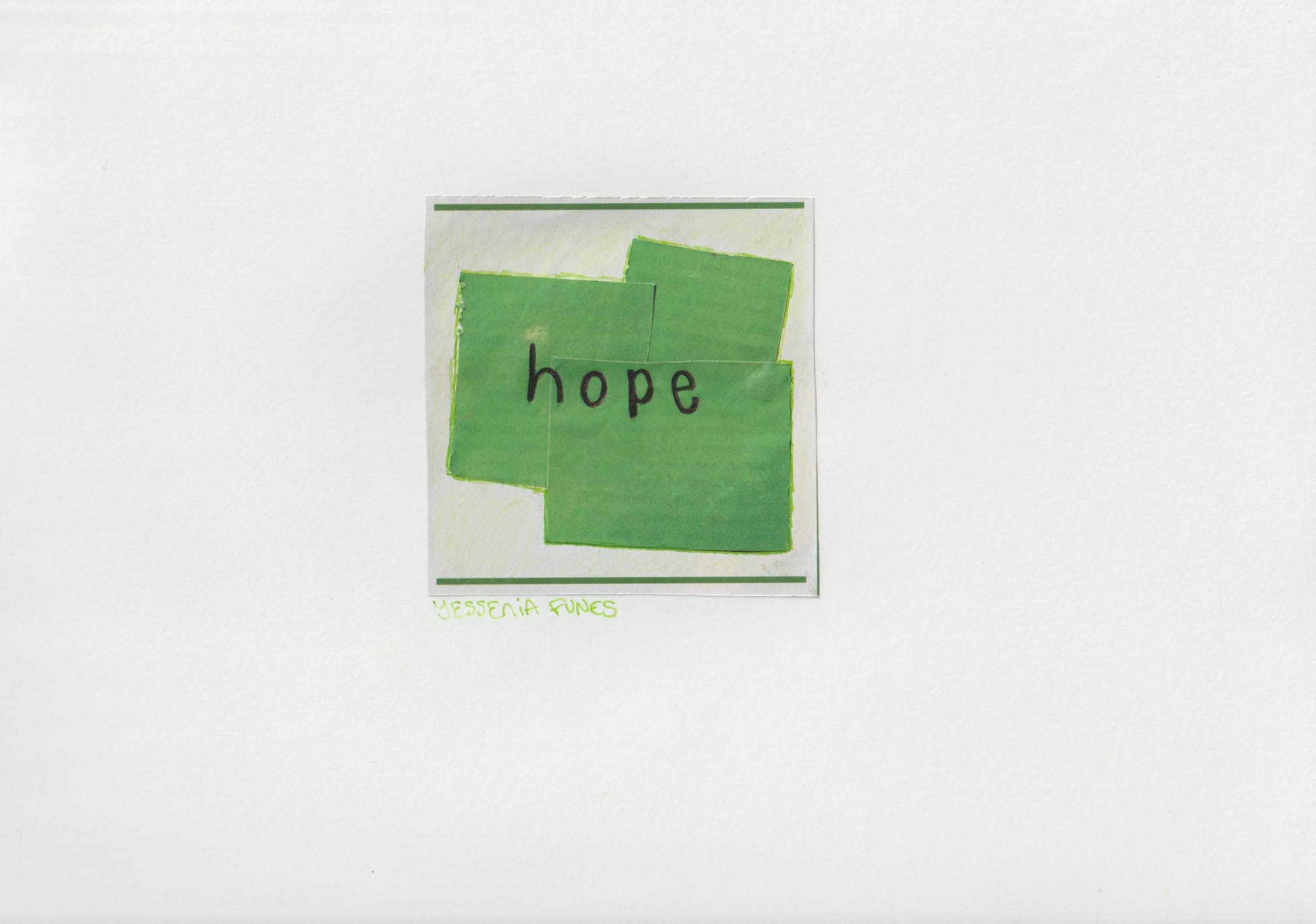
Collage
I'm so sleepy! Night! x
- Yessenia
Comments ()