

Party Like a Journalist
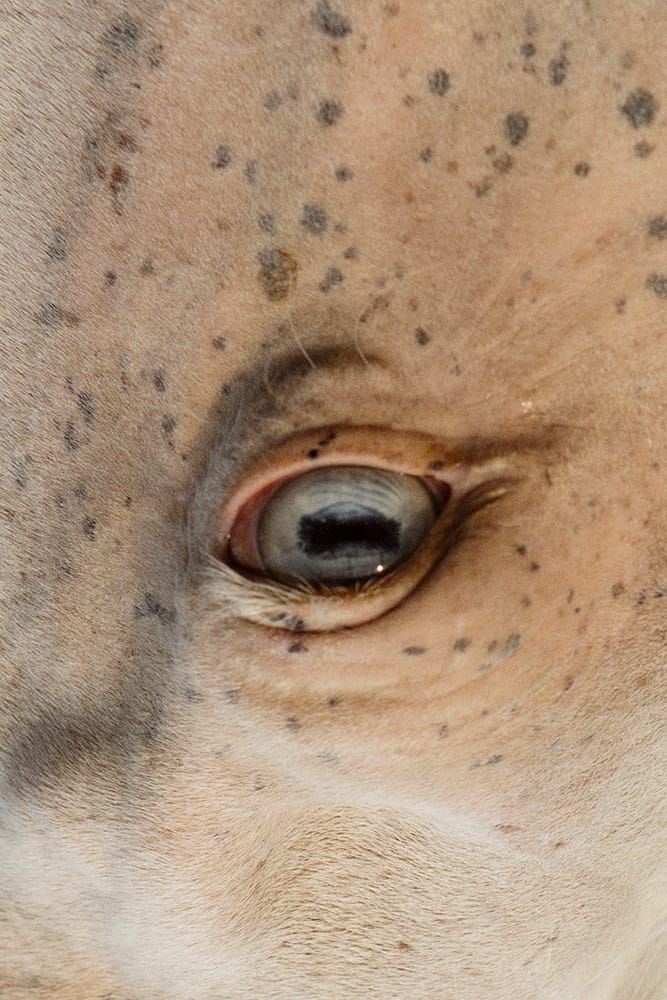
LISTENING: to the heater whirl
FEELING: kinda sick
SEEING: my girl Angely Mercado do some work
I'm in Philadelphia this week for the Society of Environmental Journalists conference. It's only my second time at one of these things, and it's been so rewarding so far. I've got a few panels.
I'm writing this on Wednesday after I sat alongside Indigenous and Black activists to talk about the tragedy of the commons myth. Friday, I'll be on a panel put together by The Uproot Project to talk about mental health. Saturday, I'll be discussing the important work of newsletter writing, which you all make possible with your ongoing support of Possibilities.
In my session today about the myth that humans are guided by greed and individualism and will always destroy the lands and waters that they share, I forgot to raise one urgent and poignant example. I'm so mad at myself for not sharing it with my room of attendees, but at least I can share it with you all here.
Welcome to Possibilities, a creative climate newsletter on the possibilities that lie where crisis meets community. I’m Yessenia Funes, and I'm back to talking about Palestine.
Today's panel highlighted the importance of challenging modern land stewardship methods and expanding our understanding of who has access to land and why. We talked about the dangers of privatization and also public lands. How current land management models (especially national parks) are rooted in colonialism.
In my preparation ahead of the session, I thought a lot about Palestine and the way the Israeli government has forcibly enclosed Palestinians in small sections of land — only a fraction of what was their historical lands.
What's happening in Palestine is not land privatization. It is land theft. Colonizing institutions often legitimize their theft in various ways. With Palestine, it's always been so emotionally wrought given the brutal ways Jewish folks in Israel have been persecuted historically and in need of their own safe lands. Unfortunately, Palestinians now face this dilemma, too. And we've seen global powers ignore or approve of Israel's actions. We're on day 180 of Israel's retaliation against Gaza for the Hamas attack on Oct. 7, 2023.
This war is not only harmful to the people of Palestine. We all suffer as a result. Journalist Whitney Bauck (who is also here at SEJ) wrote for The Guardian about how the genocide is harming the research around Palestinian seeds, which can withstand higher temperatures and may prove crucial in surviving the climate crisis. She wrote about the Palestinian Heirloom Seed Library and its founder, Vivien Sansour.
Bauck writes:
The project feels particularly urgent against the backdrop of Israel’s continuing bombing of Gaza, the “man-made” famine that aid groups warn is imminent there and the knowledge that last year was the hottest ever recorded. “The mission of the seed library is to revitalize and conserve a living archive of our heirloom seeds,” said Sansour. “Not just for Palestine, but also for the world. The world is in a hospice state and we need all the different tools and biodiversity we can in order to adapt.”
How can we be better stewards of the land when we cannot even value the humanity in one another? How do we protect seeds when lives are taken for granted? When entire cultures are bombed? I know the answer lies in Indigenous communities like Palestine. I know the answer is hidden somewhere in our broken hearts.
It's up to journalists and storytellers to reshape the narratives we tell each other. We have the power to change the world through our words. 🌀
Rest in Power
While we can't say for certain that climate change led to these specific weather events (we need attribution studies for that), we do know that the Earth's rising temperatures are already creating more disasters like these.
At least nine people are dead in Taiwan after its strongest earthquake in 25 years shook the earth.
On Good Friday, Cyclone Gamane tore through Madagascar, killing at least 18.
Currently Reading
From The Guardian: Here's a story on a young girl swept by floods.
The U.S. is now the top exporter of LNG. Sigh.
I'm all for worker-owned media!!!
By Trey Washington for Scalawag: "I want to challenge the popular notion of rest as a choice. I want to recognize rest as both a tool and an outcome of resistance. We need rest like we need grief and healing work, like we need love, like we need care, like we need tenderness and self-compassion."
Floodlight has an urgent reminder on why we need diverse media publications — that are not funded by polluters.
Poetry
we grip our pens
as though they were swords
we slice and shed, not blood,
but truth
a holy truth
a truth that heals
the only truth that ever really mattered
yet the one that's gone silent
all these years
our words are our weapons
it's how we win
we change the narrative
we let the truth in
-ylf-
See you next week. xx
- Yessenia

Comments ()