

Tap In

LISTENING: to some Maggie Rogers after watching "The Idea of You" on Prime
FEELING: warmed by the sun
SEEING: inklings of summer
Last night, I dreamt I was on a boat before a wave swept me away. I remember reaching for a life vest, scrambling to get it over my head as I yelled over and over again, "I can't swim! I can't swim!" I didn't secure the vest before the ocean rolled me over and over. I remember thinking, "There could be worse ways to die."
I'm writing a story right now about migrants who brave the high seas in their attempt to reach safer lands. Folks fleeing conflict and drought-torn lands. Mothers and children. Fathers and brothers. People who've known poverty. Others who've known comfort and risked it away for a chance at freedom.
As a journalist, the work I do inevitably seeps into my psyche. I hate it. This week's therapy session was all about my dreams and how horrid they tend to be. My therapist thinks I awake exhausted most mornings because my anxiety from the day before eats up so much energy, so I need more rest.
Welcome to Possibilities, a creative climate newsletter on the possibilities that lie where crisis meets community. I’m Yessenia Funes, and I think emotions are a tool to do good journalism.
That's why I've partnered with the Climate Psychology Alliance of North America and The Uproot Project to develop a mental health workshop for environmental and climate journalists. It's coming up next week on May 15. Sign up here if you're interested. It's free!
I'll be unpacking that in detail during the workshop and my presentation, but if you've been following my work over the years, that point should come as no surprise. I've published a few stories in recent days, and my emotions heavily influenced the way I framed, reported, and wrote them.
One of the writers who helped me be more intentional in this practice early on in my career is Mary Annaïse Heglar, whose first novel published this week. "Troubled Waters" touches on Black generational struggles, climate catastrophe, and systemic harms. I haven't read it yet, but I'm so excited to get my hands on a copy.
Heglar recently penned an essay for Scalawag about the parallels between the attempted genocide in Gaza and the Great Mississippi Flood of 1927. She writes:
While the planters of Mississippi wanted Black people to stay, the settlers of "Israel" have been quite explicit in their desire for the Palestinians to leave—or be exterminated. However, in both cases, they are obsessed with their movement. I am also struck by the shared absurdity of the term "refugee" for people who have not left their country. Black Mississippians were referred to as refugees not only in their own country but in their own state. Palestinians are the Indigenous people of Palestine. The very idea that they could be refugees on that land is obscene. Settler colonialism, however, has never shied away from the absurd. In fact, it thrives on it.
As I write this, Israel has begun its assault into Rafah, the southern edge of Gaza where a million Palestinians remain displaced. Across the world, students have erupted in protest to demand that their universities and institutions do something — anything — to end the slaughter.
Divestment and boycott campaigns have power. The climate movement has seen that firsthand. Many universities, in fact, know divestment efforts well from student demands to end their investments in fossil fuels. Critics may point out that fossil fuels are alive and thriving despite 250 universities moving to divest, but we cannot ignore the symbolic and political power of such demonstrations.
What the current polycrisis demands is a cultural shift — an awakening. The student protests are forcing us to contemplate where we stand and how much death we can stomach. Do we stand with the police? Do we stand with the youth? Do we stand with Palestine? We all have a role. Every single one of us. I had a convo with my partner the other night where I asked him about his as an employee of Columbia University. Difficult and uncomfortable conversations are necessary at this time. It is the least we can do.
Journalists, in particular, must ask themselves what story they choose to tell. They must tap into their own heart and let their emotions guide them. Is it love? Is it hate? Is it fear? Is it awe? Is it anger? 🌀
Rest in Power
While we can't say for certain that climate change led to these specific weather events (we need attribution studies for that), we do know that the Earth's rising temperatures are already creating more disasters like these.
At least three people are dead in Texas after devastating floods last week.
A landslide in Haiti last week has killed at least 13 people.
In southern Brazil, heartbreaking floods have killed at least 100 people. Rains are expected to return, posing more threat to already-ravaged communities.
Kenya's death toll from the recent floods has soared past 200.
At least one person was killed after a deadly tornado struck Oklahoma this week.
Currently Reading
I profiled Venezuelan-American journalist Mariana Atencio for Yale Climate Connections. I also wrote about fashion as a climate and environmental justice story in my quarterly column for the Society of Environmental Journalists.
If you missed it above, here is the link to Mary Annaïse Heglar's Scalawag essay on Gaza and Mississippi.
Disasterologist Samantha Montano has a newsletter edition out this month all about the student protests that everyone needs to read.
This Washington Post story by Caitlin Gibson gave me chills!
Zoë Schlanger's new book "The Light Eaters" is out, and I so loved this interview in Atmos about it!
The student-led protests have parallels to the Standing Rock protests in 2016, writes Alleen Brown.
The world's top climate scientists speak out: "They can say they don’t care, but they can’t say they didn’t know.”
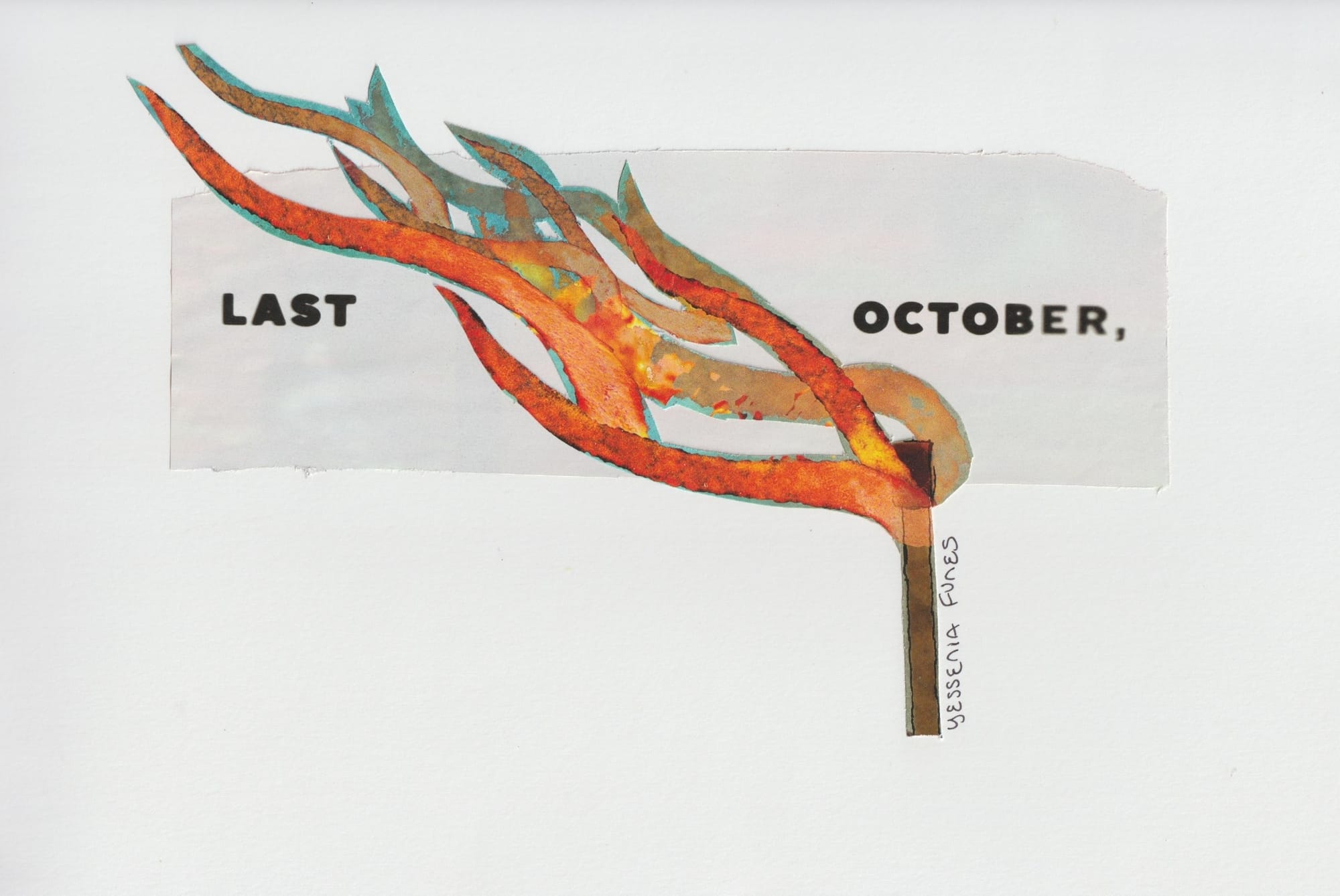
Collage
See you next week. xx
- Yessenia

Comments ()