

A Climate Message in Pixar's 'Elemental'

LISTENING: to my tummy growl because I'm hungry
FEELING: excited about some on-the-ground reporting today
SEEING: a fly buzz outside my window
If you've followed my work over the years, you know I love a climate change reference in my media consumption. I've written about climate themes in various films and shows — "Dune," "The Last of Us," "Sweet Tooth," and the list goes on.
Last week, I watched the new Disney and Pixar film "Elemental" — and I was delighted to find that this, too, carried an urgent message about a particular group of people: climate migrants.
The animated film, directed by Peter Sohn, revolves around Ember, whose parents immigrated from their homelands after a storm devasted their village. They didn't want to leave their home, but the storm left them with no choice. They bid farewell to a way of life — and a family that didn't understand their choice.
"Elemental" offers a heartbreaking example of weather driving migration. The climate crisis is making such migrations more common as rising temperatures fuel unpredictable and severe weather. Every year, weather forcibly displaces an average of 21.5 million people. Such numbers, however, fail to convey the humanity of such movement.
(I've written about climate-fueled migration several times: here, here, and here.)
As any child of immigrants knows, their parents' attempt at a new life is a heavy burden to carry — and the journey doesn't end with their arrival in a new home. The film celebrates the love and devotion we, second-generation children, hold for our parents. It also highlights what is possible when second-generation children push past the pressures we face.
The film dares us to make our wildest dreams possible despite the generational trauma we carry.
Welcome to Possibilities, a creative climate newsletter on the possibilities that lie where crisis meets community. I’m Yessenia Funes, whose parents sacrificed everything when they migrated to New York from El Salvador.
Climate change had nothing to do with why my parents left their home in Central America. They migrated amid the deadly Civil War, which also devasted the country's economy. Nowadays, however, drought (worsened by climate change) is contributing drastically to why Salvadorans flee to the U.S. Whether it's climate change, war, or economic despair, running away from the land you've known is never easy.
"Elemental" did a lovely job of showing the strife and struggle of Ember's parents. The film doesn't say the words "climate change." The storm that pushed Ember's parents to migrate receives only a brief mention, but this makes the film all the more powerful. The public doesn't need to be beaten over the head with the phrase "climate change" or even "climate migrants."
They do, however, need to develop empathy for such realities.
This week, I interviewed artist and climate activist Favianna Rodriguez, president of The Center for Cultural Power, for a story I'm working on for National Geographic that touched on similar topics of art and cultural power. I asked her whether she had seen the film. She responded with an ecstatic, "I have!" She's been involved in Hollywood's "Climate Playbook," which offers guidance and resources to help people in the film and TV industry tell impactful climate stories.
Rodriguez appreciated that "Elemental" wasn't our typical climate story where the world is burning or underwater but, rather, one where the plot, place, and setting weave in themes related to the climate crisis: displacement, floods, infrastructure, community. And, of course, the elements of fire, air, water, and earth themselves.
The artist-activist was especially drawn to the film's "story of what it means to be displaced and also to be disconnected from your culture — and what that creates for families and the stressors on the next generation."
"It's a story of climate migration, which I've never seen done so eloquently," Rodriguez said.
Children need these stories. They need fantasy and wonder. After all, they are the next generation. I can talk for days about the ways youth inspire me. What I don't say enough is that the youth also need inspiration.
Films like "Elemental" have the power to teach kids to humanize their immigrant neighbors or classmates. It shows them that storms and weather are forces that can uproot an entire community. It helps the kids who have been uprooted themselves by highlighting that they're worthy of love and community and dreams, too.
Stories like these reflect their worlds back at them. It reminds them that they're not alone. That their lived experiences are worth telling. 🌀
Rest in Power
While we can't say for certain that climate change led to these specific weather events (we need attribution studies for that), we do know that the Earth's rising temperatures are already creating more disasters like these.
In California's Death Valley National Park, a 65-year-old man was found dead in his car last week. Authorities believe the heat killed him.
At least 112 people have died due to heat in Mexico so far this year. The number is already almost triple what it was in 2022.
Monsoon rains have triggered flooding and landslides in Pakistan, killing at least 55 people so far. Eight of the deaths have been children. The same weather system has killed at least 15 in India and two in Japan.
New research concluded that nearly 62,000 people died in Europe last year from the continent's record-breaking heat.
A fire on a Gulf oil platform killed at least two people Friday. This event may not have been caused by climate change, but fossil fuel infrastructure is fueling the climate crisis while harming workers and local communities.
Currently Reading
From Dharna Noor at The Guardian: the chilling way fossil fuel lobbyists are everywhere
Emily Chan writes in British Vogue: "Given the urgency of the climate crisis we’re facing, we need creative directors to drive home the importance of addressing fashion’s impact on the planet. After all, isn’t the role of fashion to inspire? To tell the stories that matter?"
How environmentalists are targeting trans people.
Bill McKibben for The New Yorker
On the deadly nature of extreme heat. Relatedly, Kim Bellware at The Washington Post reflects back on the 1995 Chicago heat wave that killed hundreds.
How the construction of an oil pipeline is destroying the lives of people in Uganda.
I really wish this story about rhinos and poaching in South Africa weren't behind a paywall. C'mon, Bloomberg.
Is our fascination with orcas attacking boats really just a desire to be punished?
Collage
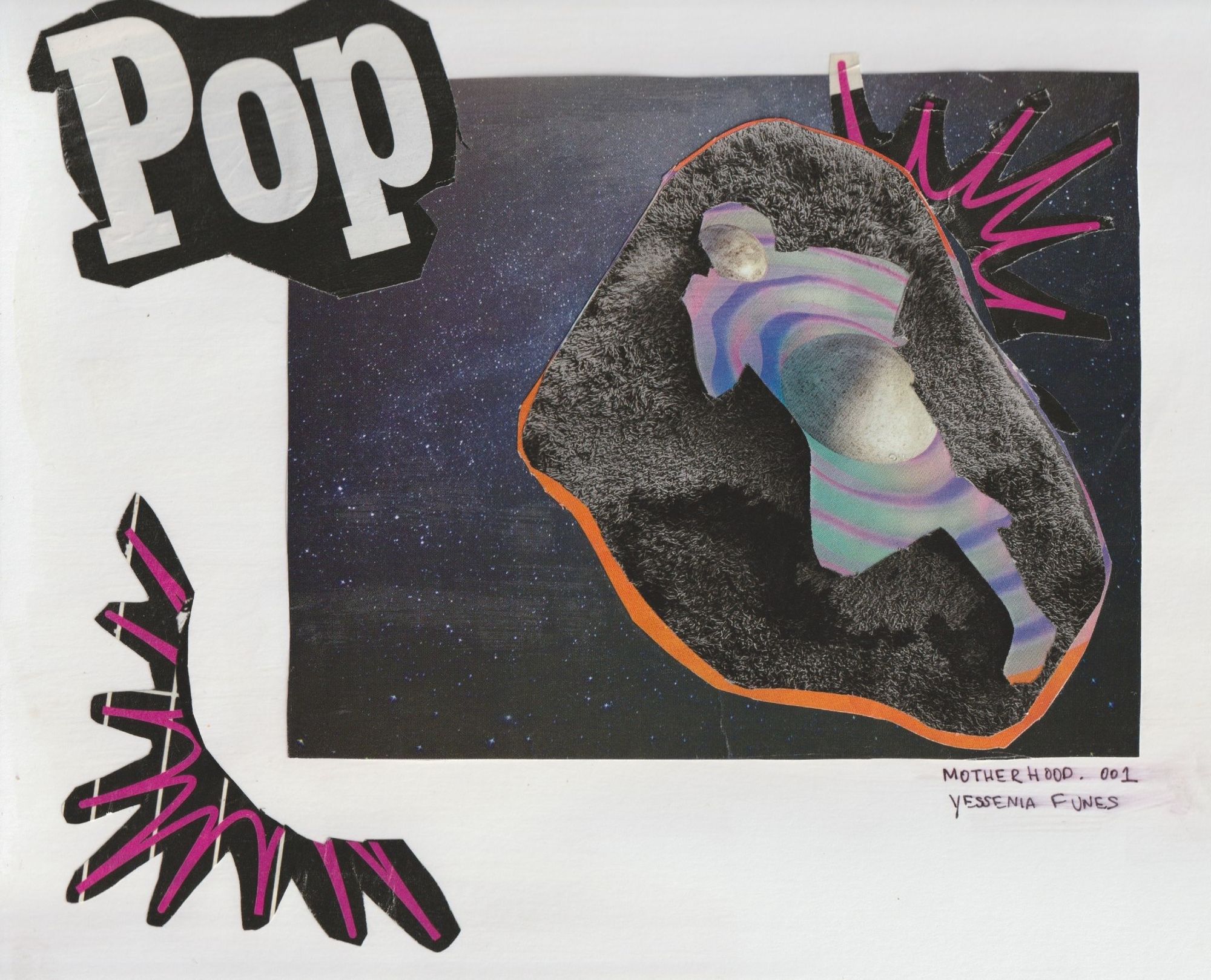
I don't know what motherhood will be
I just know it will be
otherworldly
See you next week. xx
- Yessenia

Comments ()