

Voices From the Congo

LISTENING: to the dogs bark outside
FEELING: hot, spring is here!
SEEING: my fan spin and spin
My mom has worked since she was a kid. I can't remember the exact age — but she was no older than 10 when she began selling pupusas on the streets of El Salvador to help my abuelita and my tías. She didn't finish school; that's not a priority when families are living day to day. At least her work wasn't dangerous. It still robbed my sweet mom of a proper childhood and an education, but being a street vendor didn't expose her to hazardous machinery or chemicals.
The same can't be said for many other children around the globe — especially in the mining sector that is powering the clean energy transition.
Welcome to Possibilities, a creative climate newsletter on the possibilities that lie where crisis meets community. I’m Yessenia Funes, and I just published a story for Atmos that digs into the troubled realities of cobalt, a critical mineral needed in batteries for electric vehicles and energy storage.
As you can suspect, child labor is an issue when it comes to DRC's cobalt mines. Google "cobalt mines DRC," and you'll see. Search results use phrases like "modern-day slavery," "human rights abuses," "hell on earth," "child and forced labor." All these points are true, of course, but many of my sources find these Western framings oversimplified.
These issues are systemic. They're not unique to cobalt and mining. They're not unique to the DRC. When journalists write about them without acknowledging history, colonial legacies, and other systemic reasons why these conditions exist, we do a disservice to the communities we're writing about.
I didn't get into history and corruption much in my piece. I ran out of space, and my corruption point got edited out. I did talk about employment rates to help contextualize certain points, but I'll admit I could've done more myself. However, I didn't go on and on about child labor, either. I addressed the concerns my sources made clear matter most to them.
I kept hearing from advocates and community members that they wished the media would write about their issues with nuance and understanding. When child labor comes up, many industry players tend to jump ship and abandon communities. That doesn't stop the child labor, though — kids just find jobs elsewhere (and usually ones that pay less).
Sources also expressed they want other concerns beyond child labor covered in articles. For instance, some miners walk away with life-long injuries, but they don't receive life-long benefits to help them if they're unable to work again. Disabled people, more generally, are too often ignored in all sectors of society.
Folks also mentioned to me that the pay disparity is troubling. While mining can pay better than other informal work options, miners still don't get what they deserve when you consider how much companies spend on cobalt once it's processed.
The worst part about all this is that cobalt is coming to countries like the U.S. to help us clean our energy grid and leave polluting cars in the past, but what about the regions where cobalt is sourced? Only 19 percent of the country's population has access to electricity. Meanwhile, mine expansions are kicking families out of homes where they have running water and electricity and into new settlements where the houses don't.
How can the industry invest in the community's basic needs? How can mining transition away from the exploitation and extraction that led us to the ecological crises we face? How can the miners whose bodies bring the world the resources it needs also benefit? How can governments with a history of colonialism and corruption do better?
I'd love to dig into some models that worked if y'all know of any. 🌀
Rest in Power
While we can't say for certain that climate change led to these specific weather events (we need attribution studies for that), we do know that the Earth's rising temperatures are already creating more disasters like these.
Over the weekend, a series of tornadoes killed at least five people (including a baby) in Oklahoma.
Kenya is reeling from awful floods that have killed nearly 170 people since mid-March. The president called them "victims of climate change."
Last week, floods in Tanzania led to at least 155 lives lost.
Southeast Asia is facing a record-breaking heat wave. In Thailand, 30 people have already died this year from heat stroke.
Currently Reading
My latest for Atmos about cobalt mining in the Congo.
Read everything Justine Calma writes, please! But especially this story about Indigenous conservation in Costa Rica.
It's been 10 years since the Flint water crisis happened. Let's not forget. Shantal Riley goes deep.
Louisiana's historically Black towns deserve a lot more than industry.
From Atmos about the Jordan River: "The Jordan River is part of the identity of the entire region, but especially of Palestinians because most of their agricultural lands were around the river. This has been lost little by little, as Israelis intentionally make the living conditions harder for Palestinians to force them to leave the land.”
I've been doing some research and reporting on carbon capture, so I really appreciated this edition of HEATED that highlighted how the fossil fuel industry succeeded in getting the Biden administration to prioritize it among its federal climate investments. 🫠
Collage
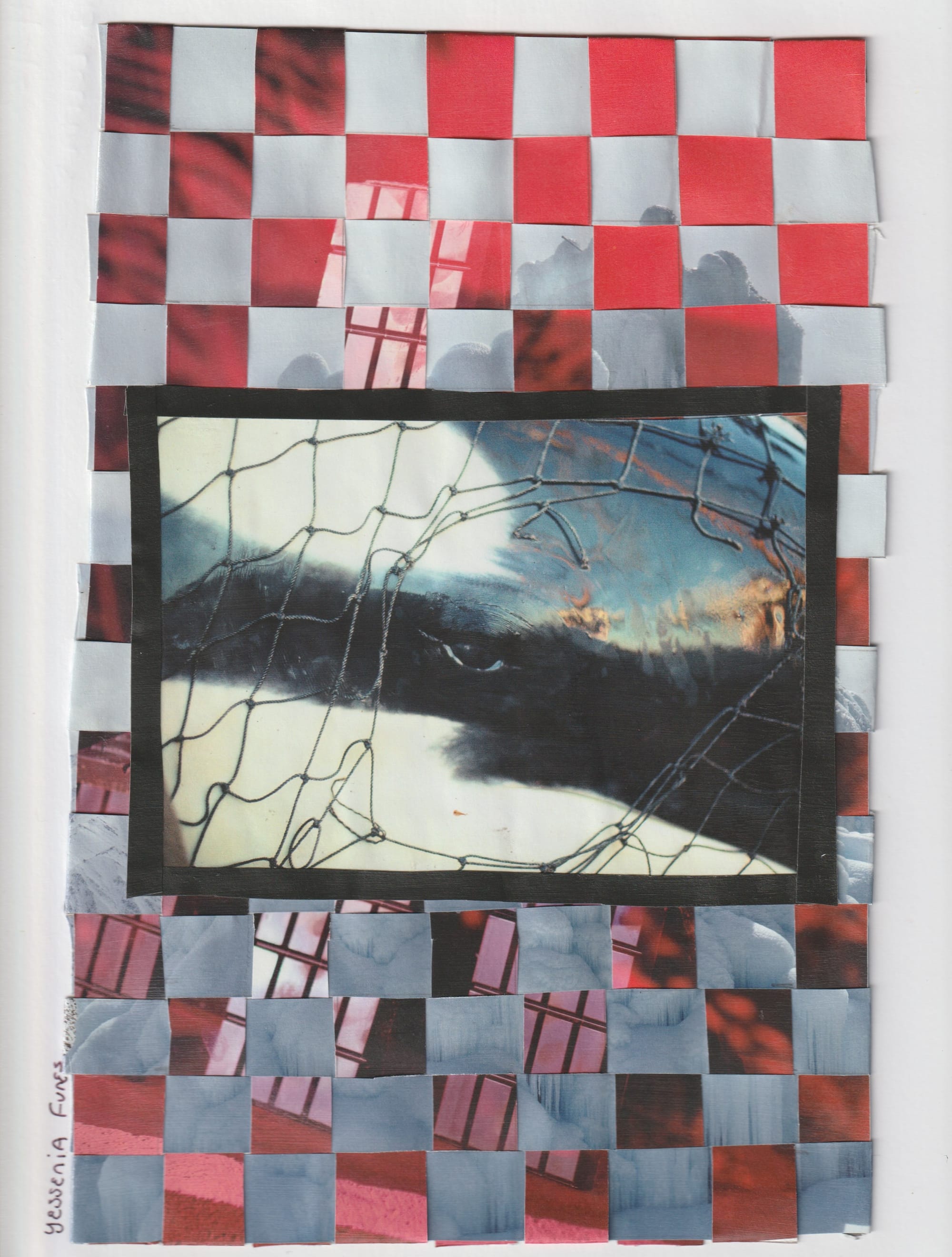
See you next week. xx
- Yessenia

Comments ()