

Remember 2016?
This edition is available to all (except the paid exclusives). Support my work and upgrade to paid here for as little as $5 a month.
LISTENING: "and we hate po-po / wanna kill us dead in the street fo'sho'"
FEELING: elated! i'm a wife!
SEEING: my new planner
My feed is full of 2016 throwbacks. People posting photos of their Snapchat filters and colorful glam. I'm guilty of sharing my own #TBT reel to Instagram. That was the year before everything changed.
I love nostalgia, but I love history more. There are always lessons to glean. 2016 taught us a lot, but I think we've forgotten.
Welcome to Possibilities, a creative climate newsletter on the possibilities that lie where crisis meets community. I’m Yessenia Funes, and I want us to remember how this current political crisis has been at least a decade in the making.
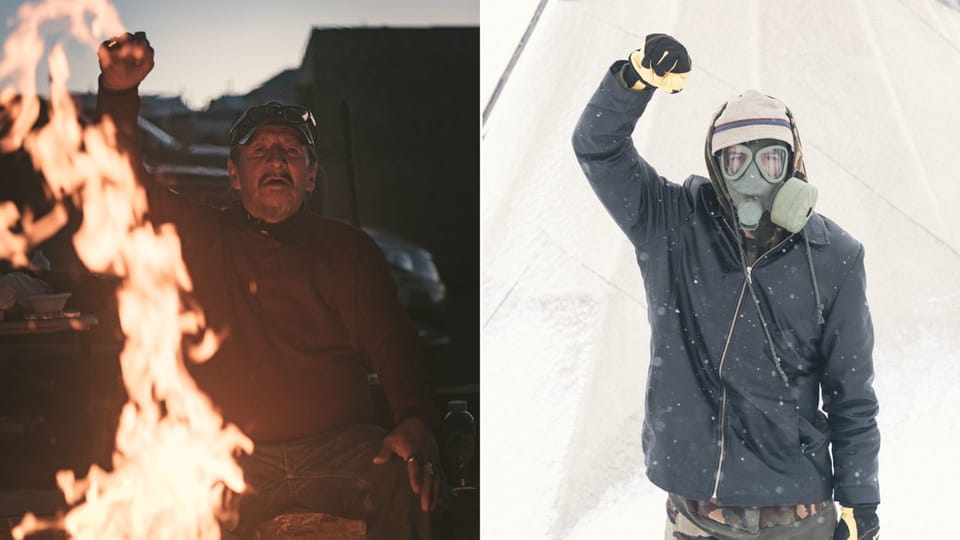
In 2016, the Standing Rock Sioux Tribe launched a remarkable campaign against the Dakota Access oil pipeline in North Dakota. I covered that story remotely for months, day in and day out. It was inspiring — but also enraging. Youth helped start a groundbreaking movement, but police quickly escalated the situation and grew violent. Leading national media outlets finally paid attention to the protests when private security for the private developer Energy Transfer sicced dogs on peaceful Indigenous advocates.
Since those protests, which transformed the U.S. conversation on fossil fuel infrastructure and resistance, states have heightened their anti-protest laws to limit our First Amendment rights. Since 2017, 23 states have enacted some type of law to criminalize protest.
I see the footage of what's coming out of Minnesota. Law enforcement officers are attacking civilians. Even local police forces are speaking out against this brash use of violence. What I'm witnessing reminds me of the history of state-sanctioned violence in this country. This practice is older than Standing Rock — let's look to patrols against enslaved people or the civil rights movement — but 2016 was a turning point. And one we all collectively witnessed.
2016 was the year American voters first placed their bets on Trump. It was also the year that the country woke up to the injustices Indigenous peoples still face at the hands of dirty industry and government. That year also became the moment our elected officials began their parade to criminalize those who speak up. Some laws charge fees to protesters. Other laws heighten the risk for civil disobedience.
Unfortunately, judges are aligning with President Donald Trump's agenda, legitimizing the violence of Immigration and Customs Enforcement against protestors. This isn't a coincidence: Trump appointed over 200 judges to federal courts during his first term.
I don't have words of comfort to offer today. I simply offer a reflection of how we got here. I'm meeting with my local Democratic Socialists of America chair this week to figure out how I can plug in and help protect my community the day ICE agents arrive. I challenge you to figure out how you, too, can support your neighbors.
The criminalization of protesters is a dystopic reality climate and environmental organizers know well. The planet and our peers are counting on us to demand more — of law enforcement, of elected officials, and of ourselves. 🌀
MISSED MY POSSIBILITIES '25 PLAYLIST? HERE IT IS. SAVE IT :)
The newsletter ends here for free subscribers. Why not upgrade?